

What Are Polyaspartic & Polyurethane Floor Coatings?
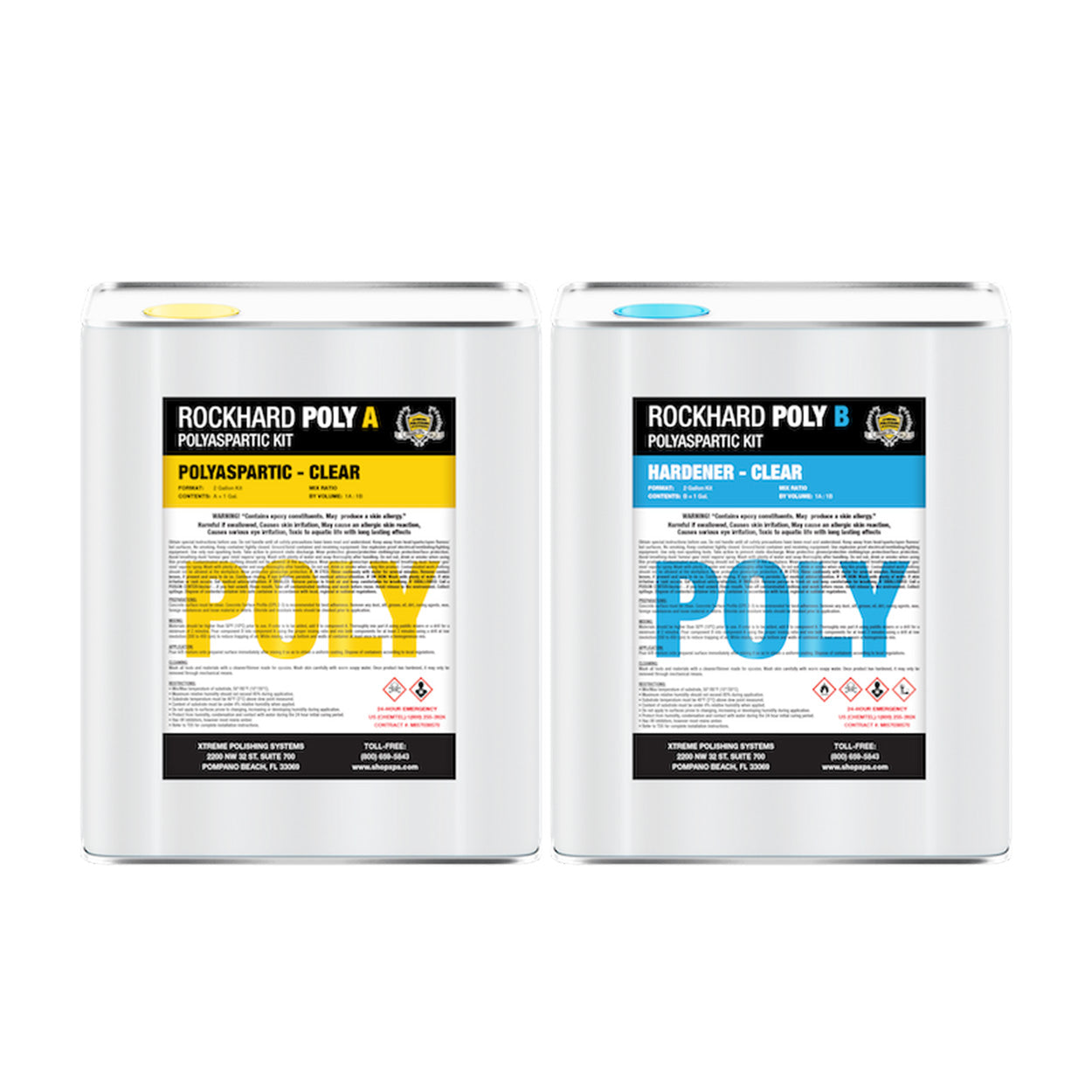
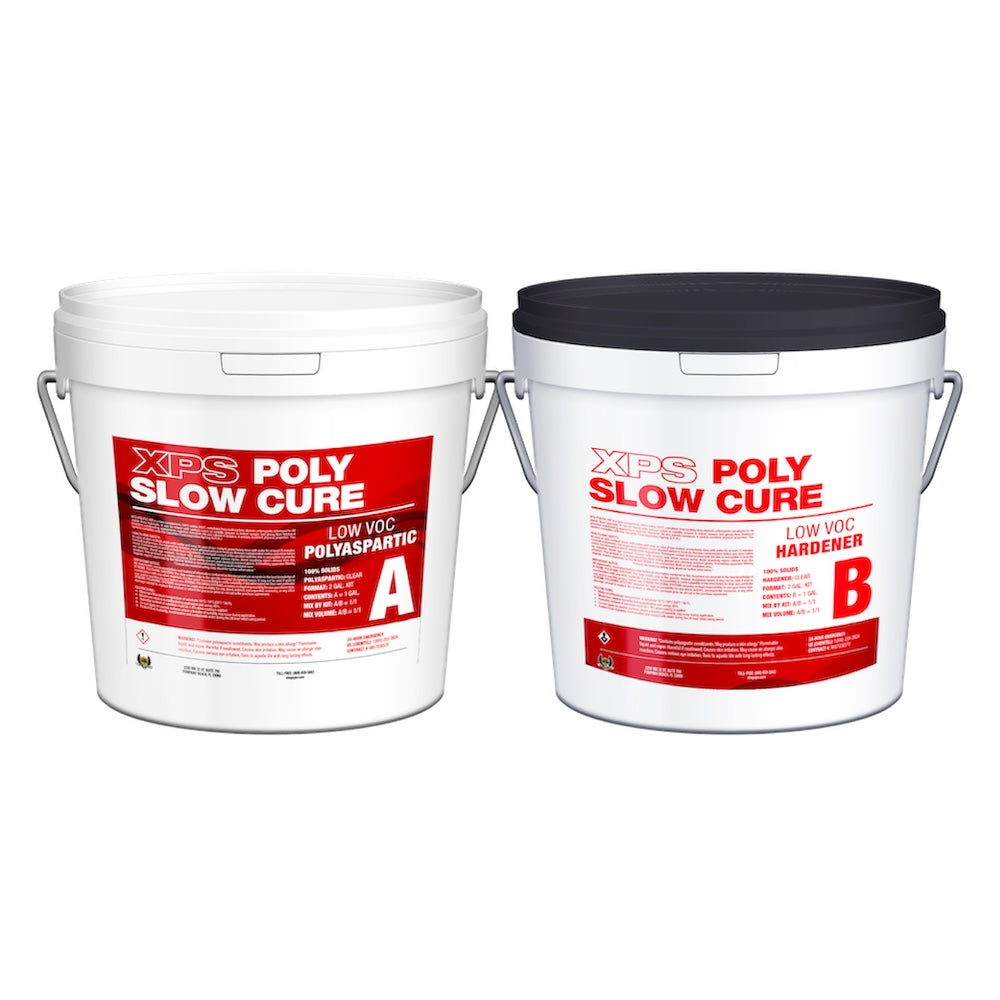
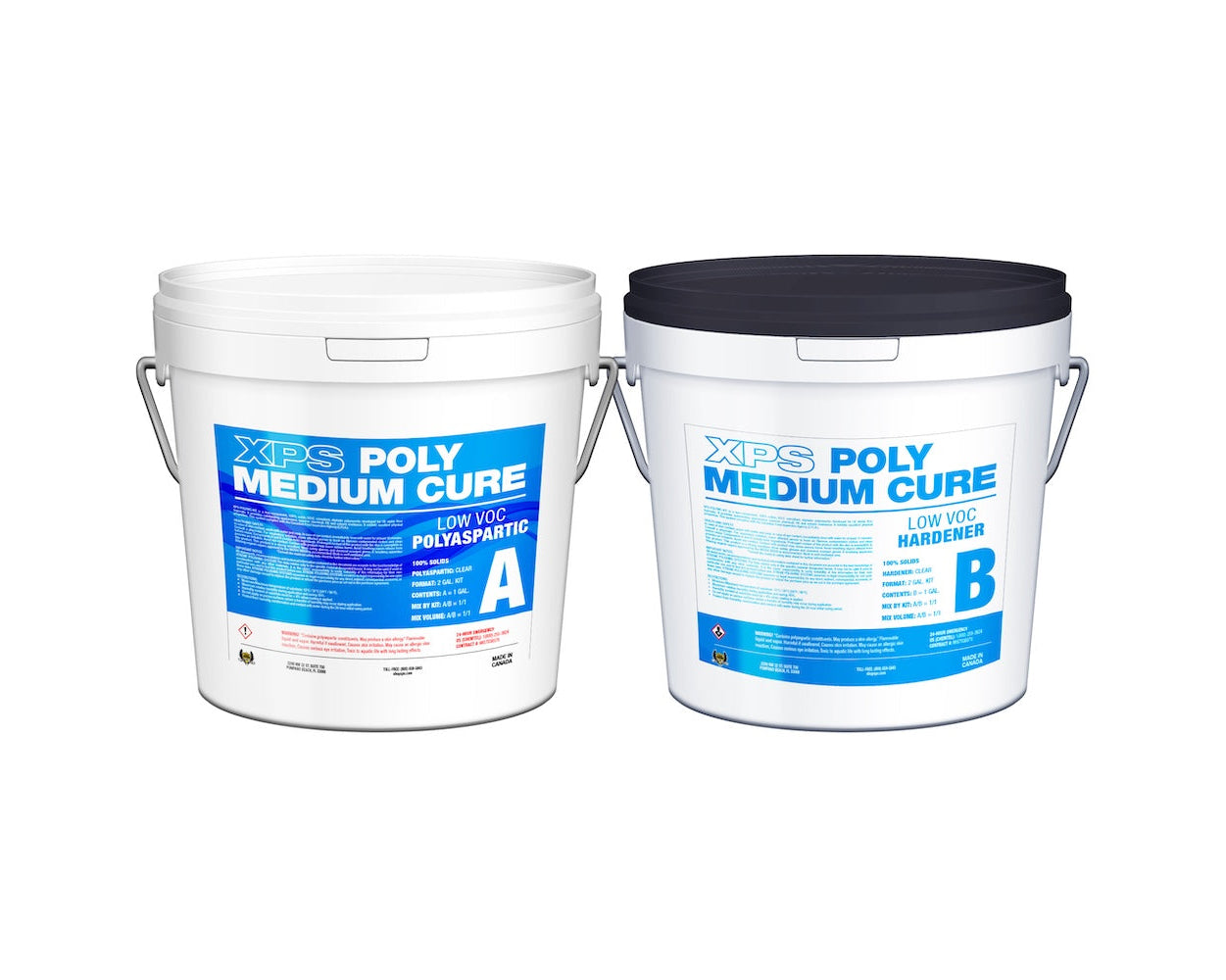
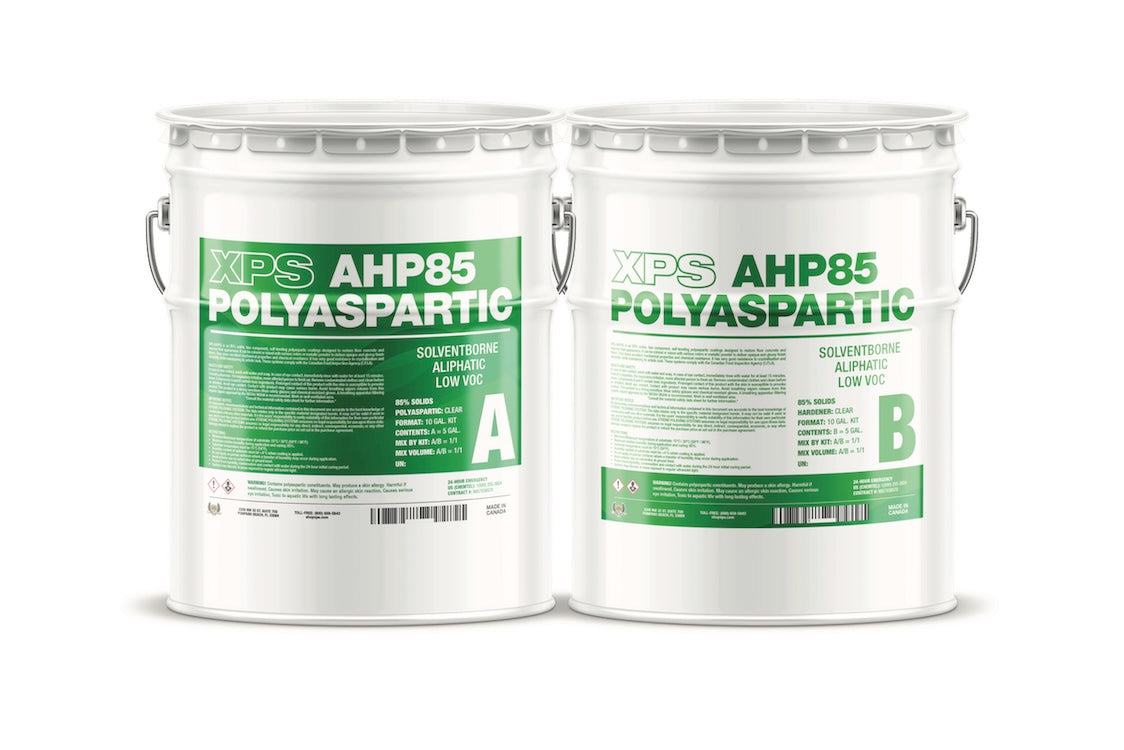
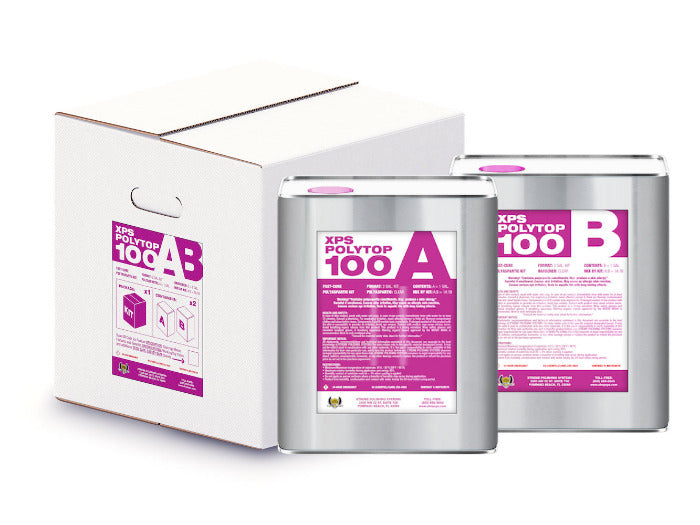
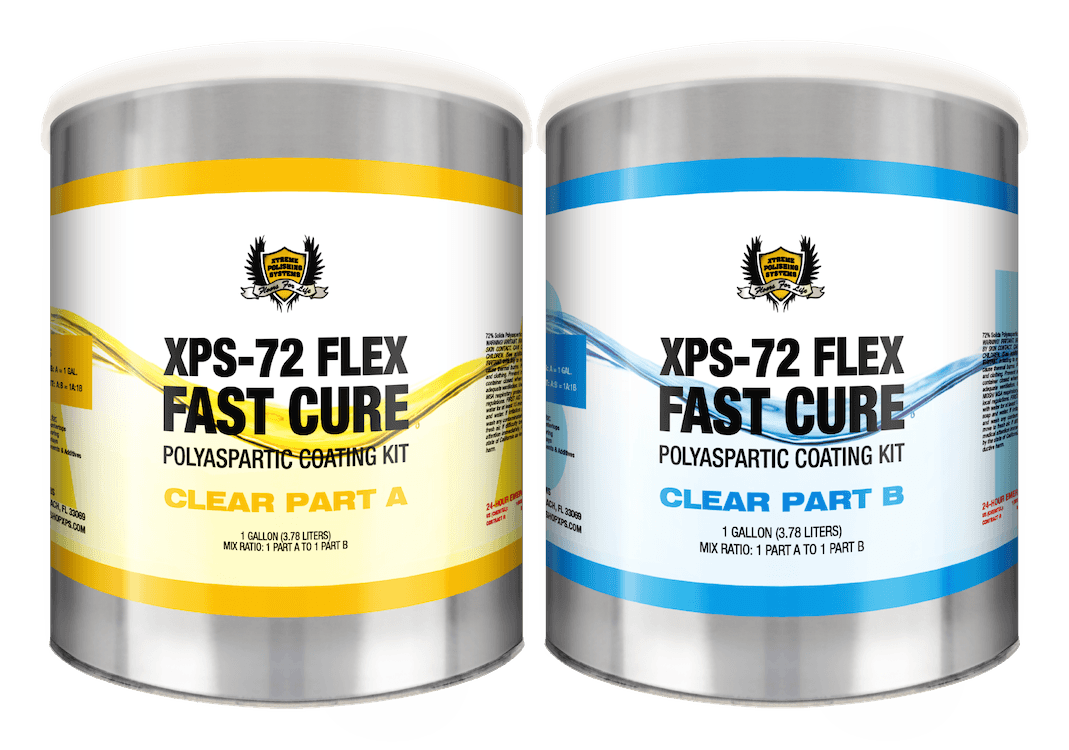
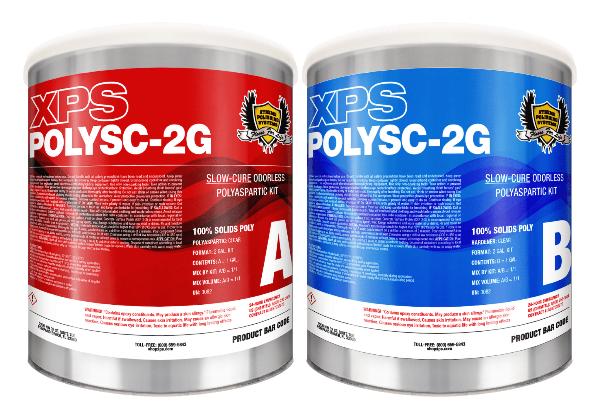
Polyaspartic Coatings are a fast-curing subset of polyurea coatings that offer extended working time with rapid return-to-service. They are known for strong adhesion to concrete, excellent abrasion resistance, and superior UV stability.
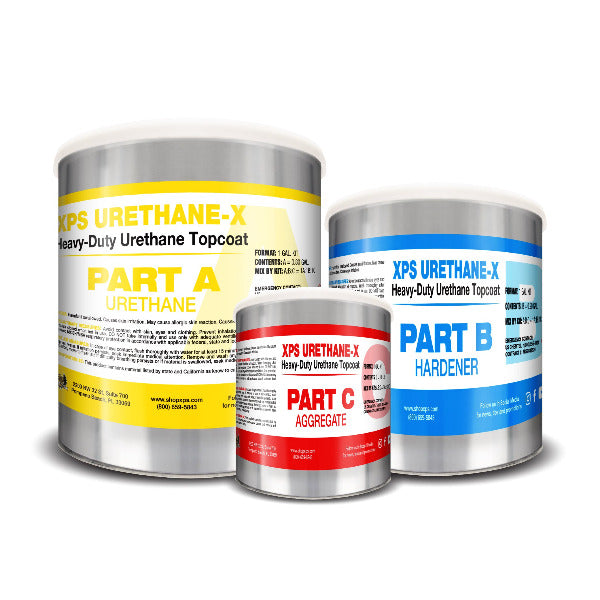
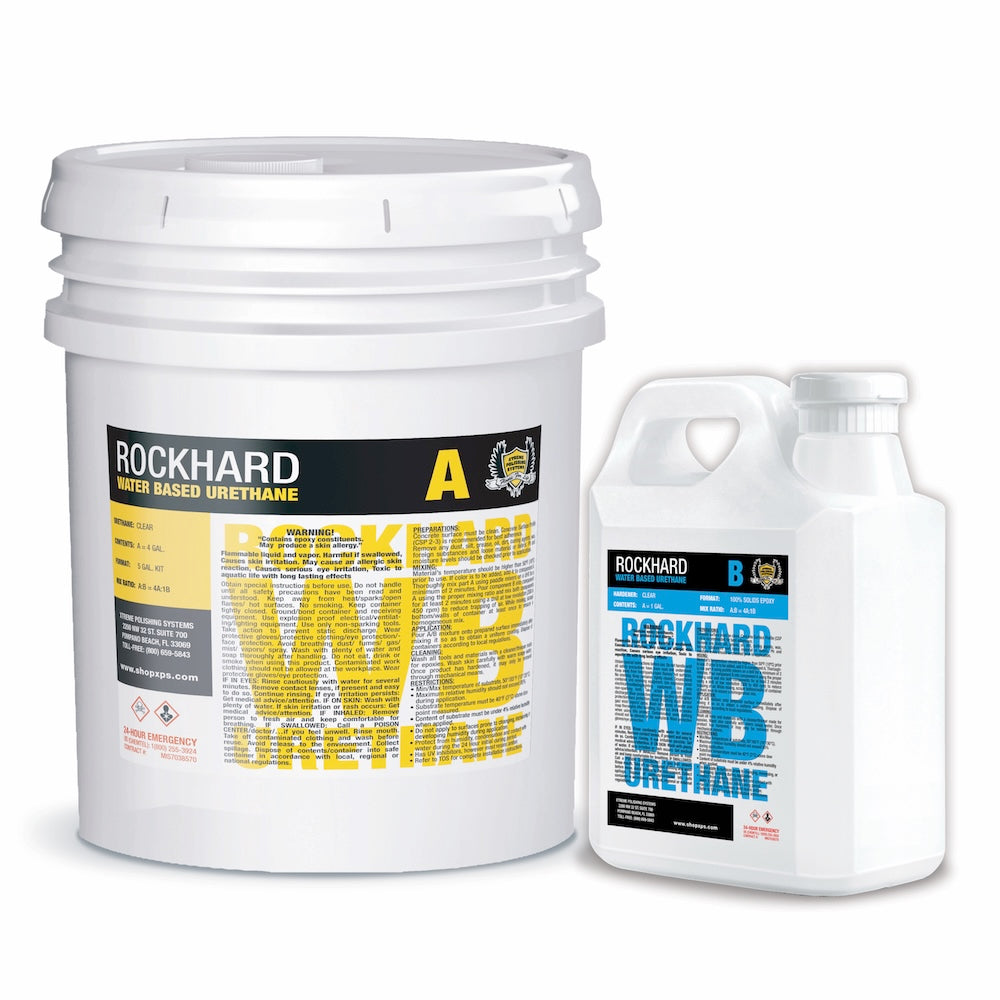
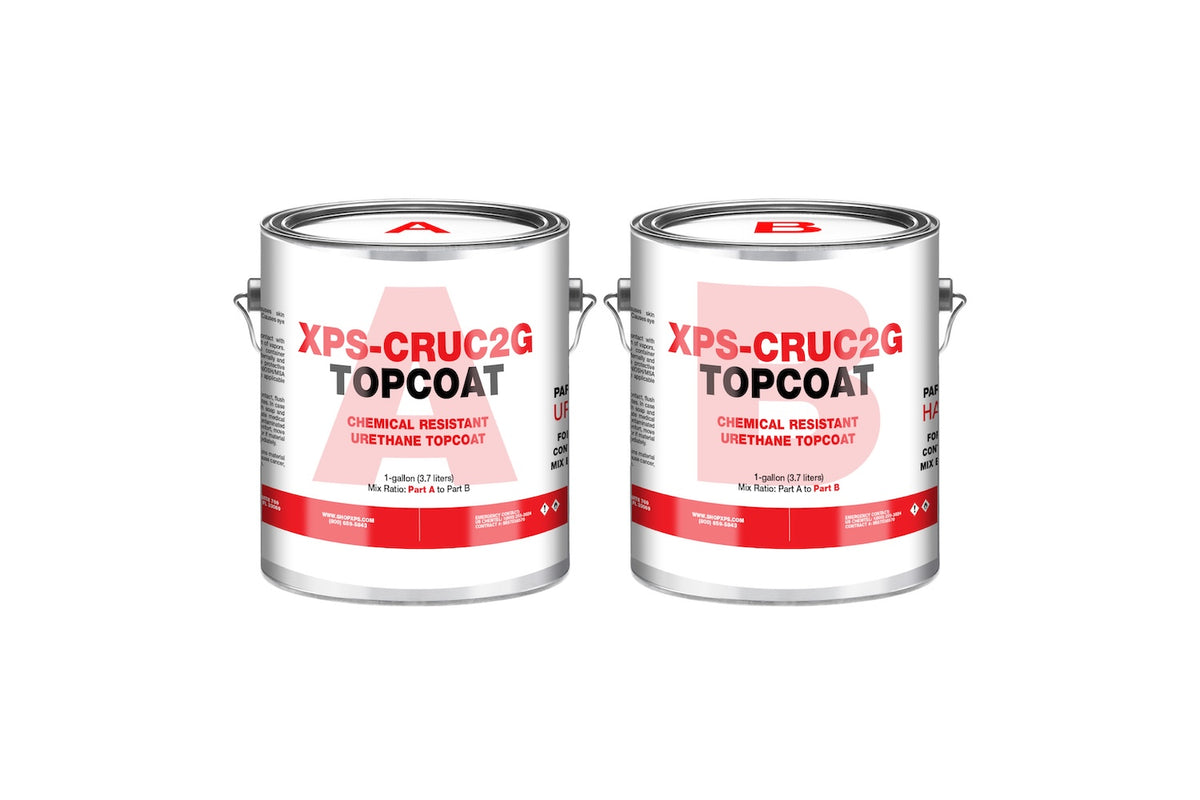
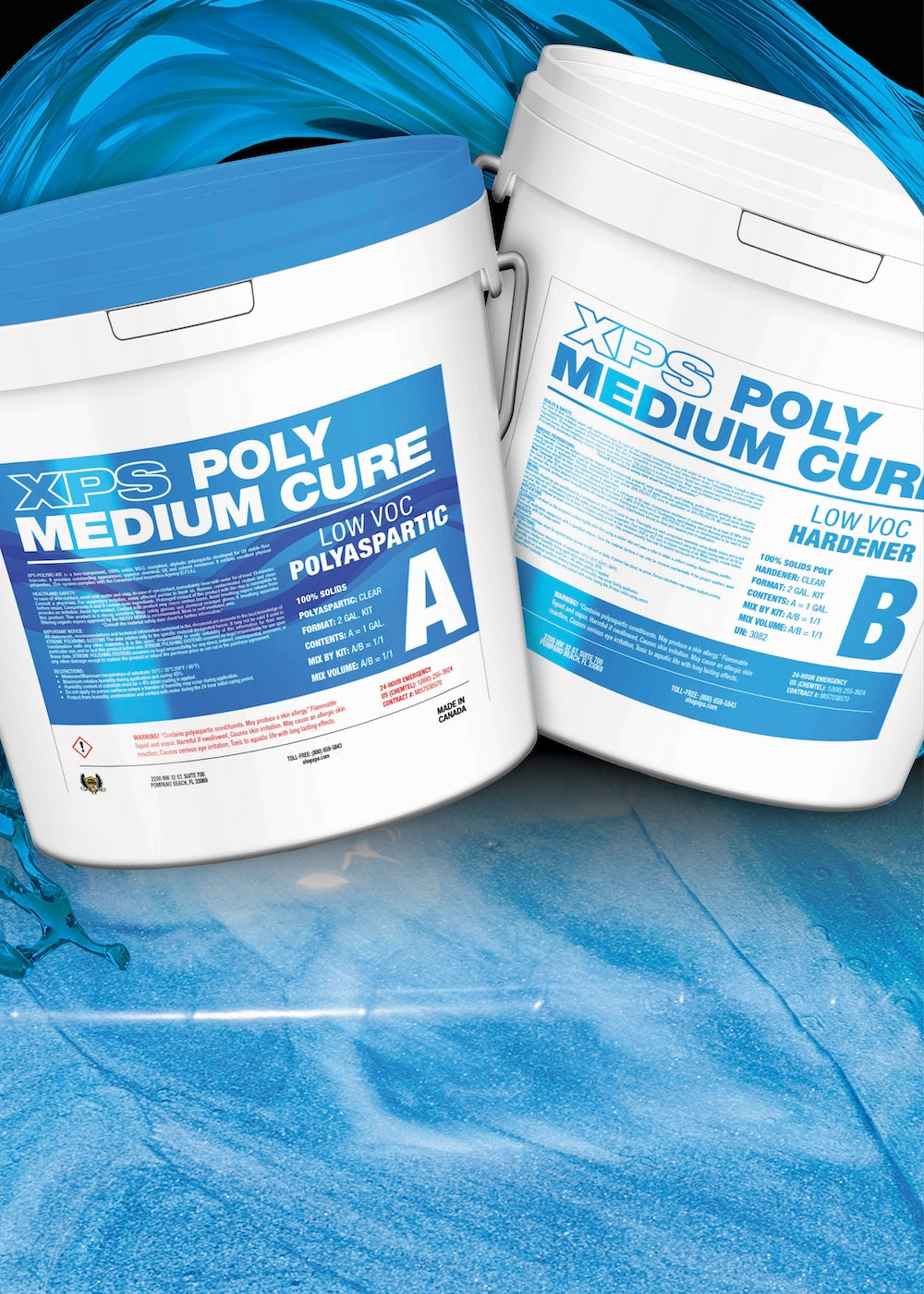
Polyurethane Floor Coatings are flexible, durable topcoats often used over epoxy or polyaspartic base coats. They provide enhanced chemical resistance, scratch resistance, and protection against wear in demanding environments.
Together, these systems create long-lasting concrete floor coatings suitable for interior and exterior applications.
Why Buy Polyaspartic & Polyurethane Coatings from Xtreme Polishing Systems?
- Commercial & Industrial Grade Formulas – Built for demanding floor environments
- Fast Cure Times – Same-day installation and rapid return to service
- UV-Stable Options – Ideal for sun-exposed floors and garages
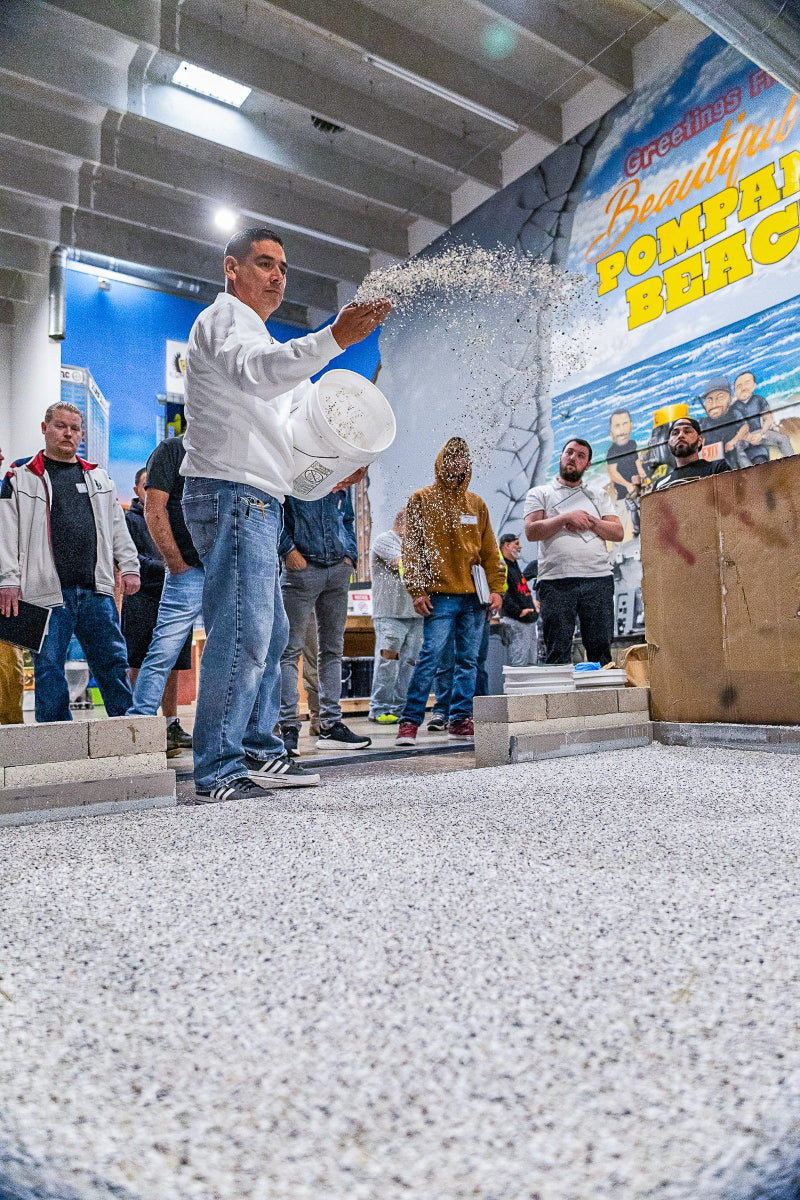
- System Compatibility – Designed to work with epoxy base coats, flakes, and pigments
- Expert Support – Guidance on system selection, mixing, and application
Our coatings are trusted by professional installers, contractors, and facility maintenance teams nationwide.
Common Applications
- Garage floor coating systems
- Commercial and retail concrete floors
- Industrial and warehouse environments
- Showrooms and automotive facilities
- Exterior concrete surfaces and walkways
- High-traffic areas requiring fast turnaround
polyaspartic & polyurethane floor coating process
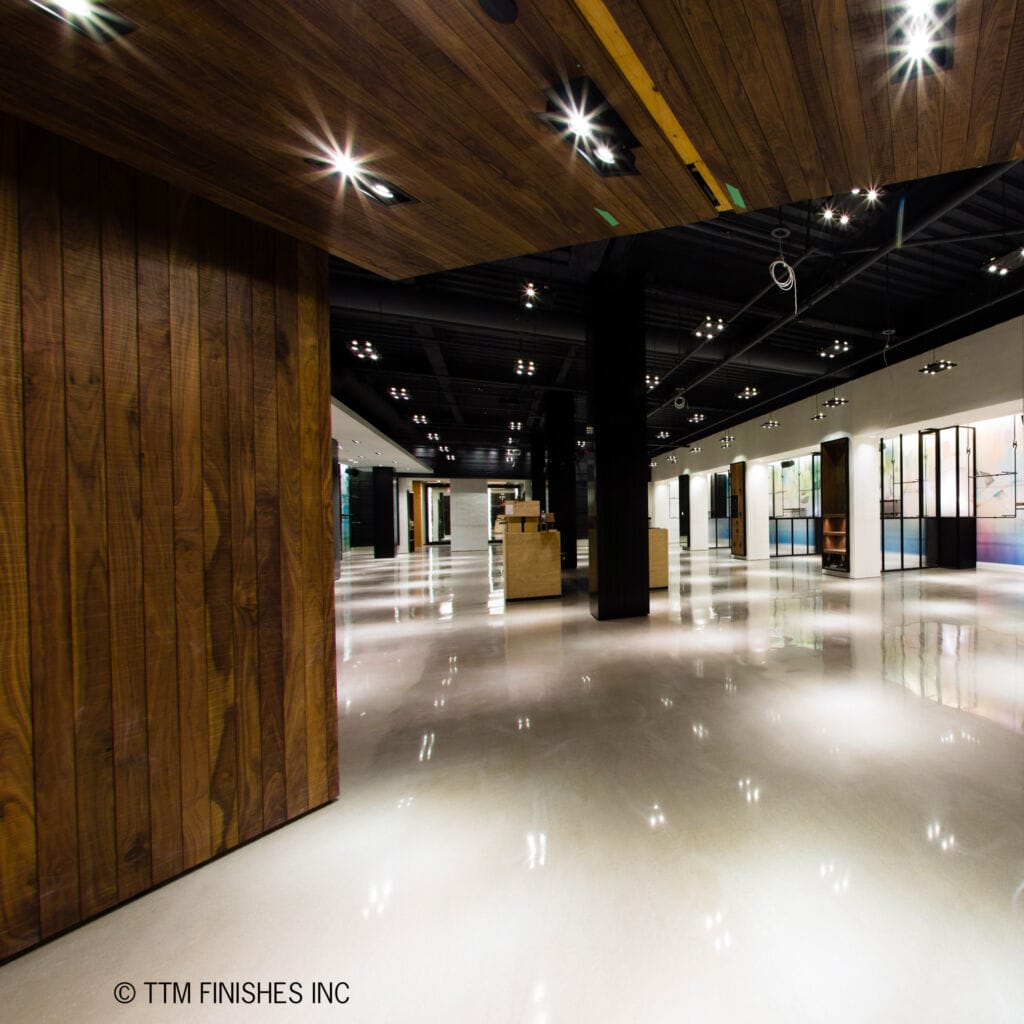
Understanding the differences helps you choose the right system:
- Epoxy – Excellent build and adhesion; longer cure times
- Polyaspartic – Fast curing, UV-stable, ideal for quick installs
- Polyurethane – Flexible, chemical-resistant topcoat for durability
Many professional floor systems use epoxy as a base coat with a polyaspartic or polyurethane topcoat for maximum performance.
Choosing the Right Floor Coating System
When selecting polyaspartic or polyurethane floor coatings, consider:
- Cure Time Requirements – Same-day vs extended install windows
- Interior or Exterior Use – UV exposure and temperature conditions
- Traffic Levels – Foot traffic, forklifts, or vehicle use
- Slip Resistance – Additives or texture requirements
- System Build – Base coat, broadcast, and topcoat design
Proper system selection ensures durability, appearance, and long-term performance.
FAQ
Polyaspartic floor coatings are a fast-curing type of polyurea coating designed for rapid installation and quick return to service. They offer excellent adhesion to concrete, strong abrasion resistance, and superior UV stability, making them ideal for garage floors and commercial spaces. Polyurethane floor coatings, on the other hand, are typically used as durable topcoats. They provide flexibility, chemical resistance, and long-term wear protection, especially in industrial and high-traffic environments.
Yes. Polyaspartic coatings are commonly applied over epoxy base coats as part of a complete concrete floor coating system. Epoxy provides strong adhesion and build, while the polyaspartic topcoat adds UV stability, faster cure times, and enhanced durability. This combination is widely used in professional garage floor and commercial flooring installations.
Absolutely. Polyaspartic coatings are one of the most popular choices for garage floors because they cure quickly, resist hot tire pickup, and hold up well to chemicals and abrasion. Polyurethane coatings are often used as topcoats in garage floor systems to add scratch resistance and long-term protection, especially in high-use residential or commercial garages.
Polyaspartic floor coatings are known for their fast cure times. In most cases, floors can accept foot traffic within a few hours and vehicle traffic within 24 hours, depending on temperature, humidity, and product specifications. This makes polyaspartic systems ideal for projects where downtime must be minimized.
Yes. Polyurethane floor coatings provide excellent resistance to chemicals, abrasions, and surface wear. They are commonly used in industrial, manufacturing, and commercial environments where floors are exposed to oils, solvents, cleaning agents, and heavy traffic. When used as a topcoat, polyurethane enhances the lifespan of the entire floor coating system.
Many polyaspartic coatings are UV-stable and designed for exterior or sun-exposed applications, such as driveways, walkways, and garages with direct sunlight. Polyurethane coatings can also be UV-resistant when properly formulated. Always verify product specifications to ensure suitability for outdoor use.
While some experienced DIY users may install polyaspartic coatings, professional installation is often recommended. Polyaspartic materials have fast cure times and precise mixing requirements, leaving little room for error. Professional installers ensure proper surface preparation, correct mixing ratios, and consistent application for long-term performance.
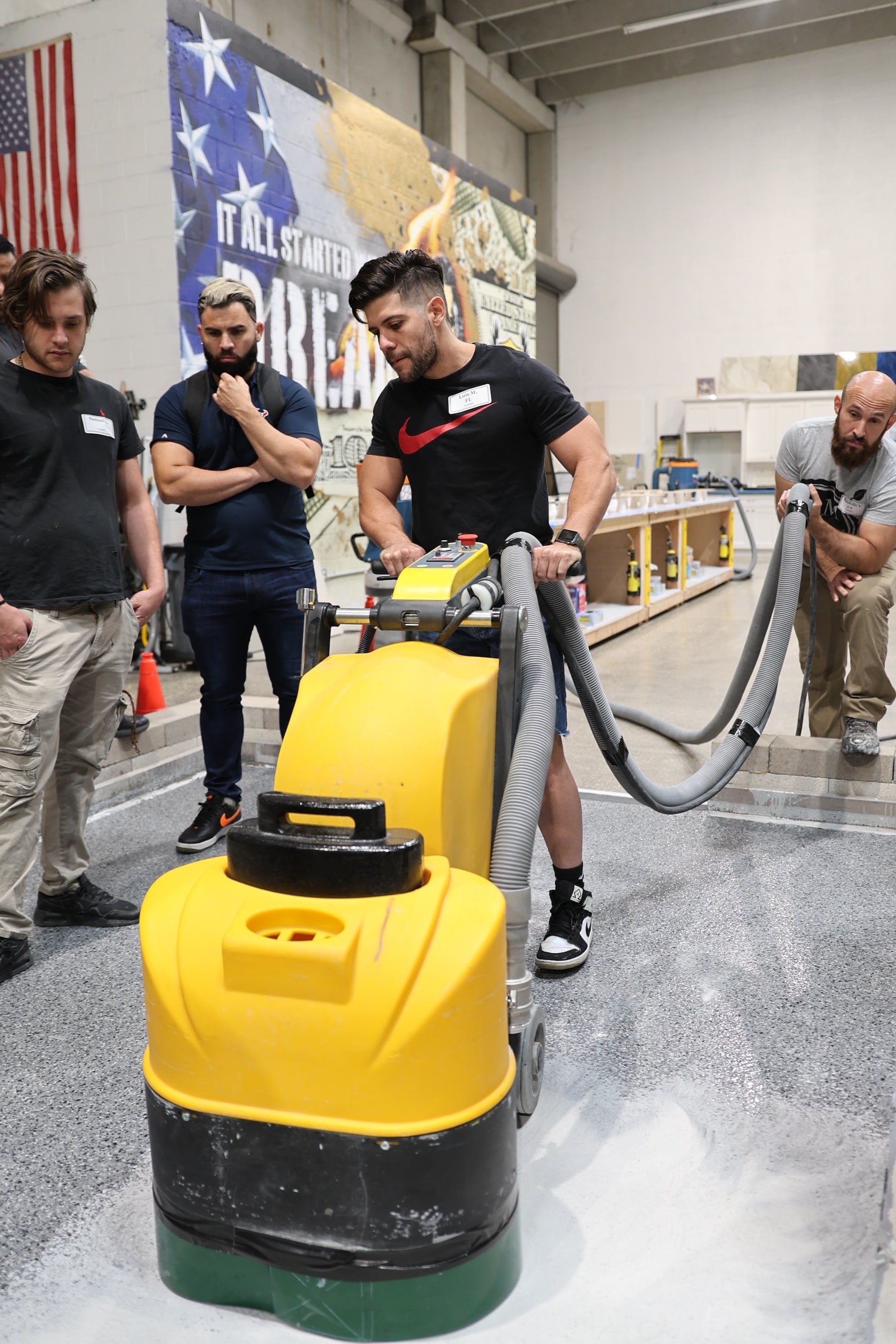
Proper surface preparation is critical for adhesion and performance. Concrete floors should be mechanically ground or shot blasted to remove contaminants and open the surface profile. Skipping or improper preparation can lead to peeling or premature coating failure, regardless of coating quality.